There is something extraordinary about a sculpture carved from natural stone.
Its colors, patterns, textures, and intricate details tell a story that begins deep within the earth and continues through the hands of skilled artisans.
In India, gemstone statues have long been admired for their beauty, craftsmanship, and cultural significance. From the wisdom symbolized by Lord Ganesha to the peaceful presence of Buddha, these sculptures bring together artistic expression, natural materials, and centuries of tradition.
Today, they are treasured as decorative art, meaningful gifts, and symbols of personal intention.
At Taj Mahal Seattle, we celebrate this remarkable heritage through a personally selected collection of gemstone and natural stone statues, each chosen for its distinctive beauty, character, and the connection it inspires.
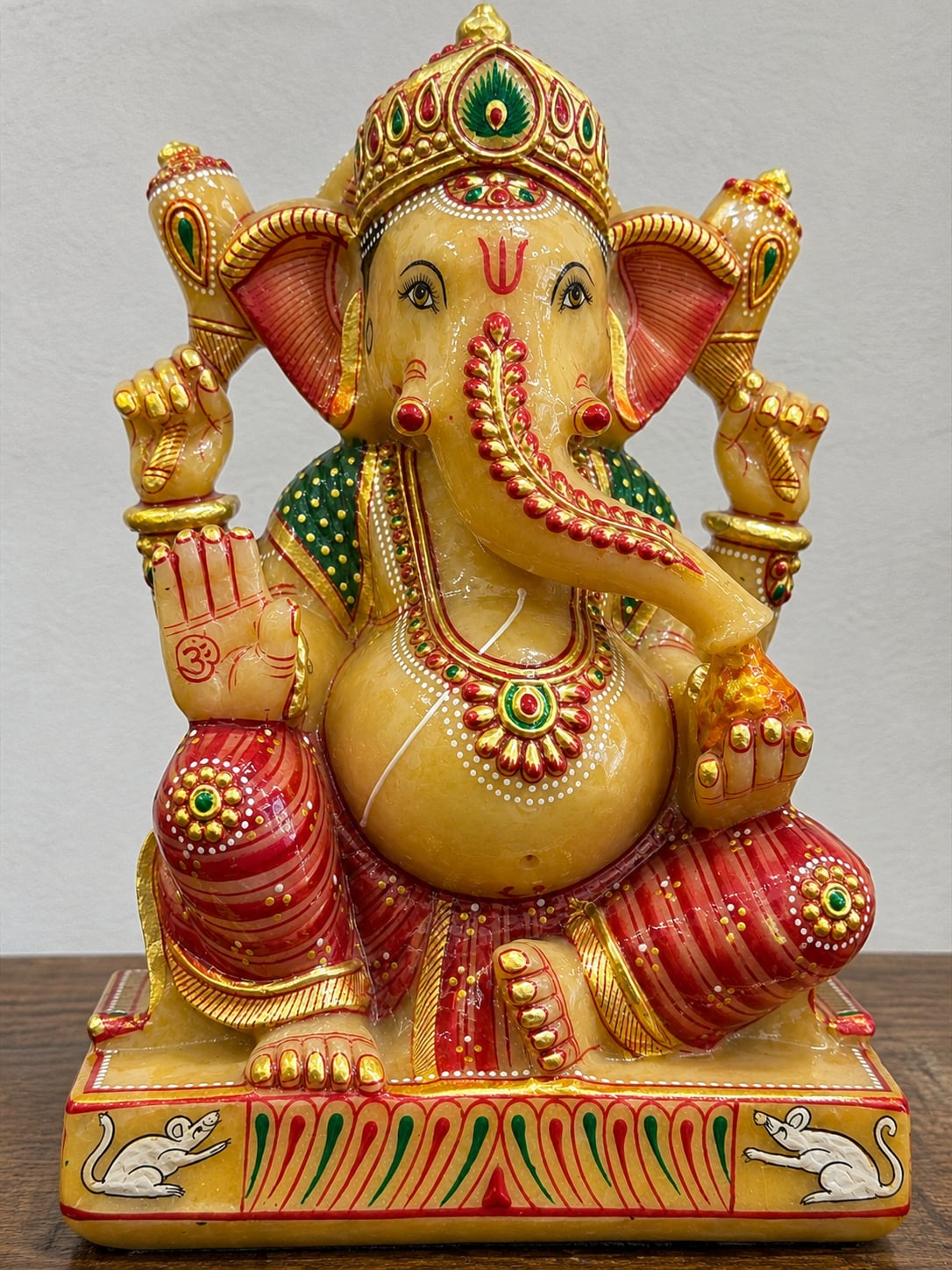
A Timeless Tradition of Indian Stone Carving
India has a rich history of stone carving and gemstone craftsmanship spanning many centuries.
Rajasthan, particularly the city of Jaipur, is internationally recognized for gemstone cutting, polishing, and decorative stonework. Generations of artisans have developed techniques that transform natural minerals into intricate works of art.
Creating a stone sculpture involves much more than shaping a piece of material.
The process begins with selecting a suitable stone and studying its natural characteristics. The artisan considers its color, texture, structure, and the design that can be created from it.
The stone is then carefully shaped, carved, detailed, and polished.
In elaborate sculptures, particular attention is given to facial expressions, ornamental jewelry, clothing, symbolic objects, and decorative patterns.
The finished work reflects a combination of technical skill, artistic vision, and respect for the material.
Natural variations in color, veining, and mineral inclusions give genuine gemstone sculptures their individual character.
Chosen by Instinct, Destined to Find Their Home
At Taj Mahal Seattle, our gemstone statue collection is deeply personal to me.
Each statue is individually selected from an extraordinary collection of Indian stone sculptures. I don't choose pieces simply to fill shelves or add more products to our store.
I follow my instinct.
Sometimes, it is the natural beauty of the stone that catches my attention. Other times, it is the expression of a face, the intricacy of the carving, or something I cannot quite explain.
I believe that certain pieces have a way of calling to us.
And as I select each statue, I carry a very personal belief: somewhere, each one already has someone waiting for it.
I may not know who that person is or when they will walk through our doors, but I trust that the right piece will eventually find its way to the right home.
That is why I never select a statue simply for the sake of buying it. Every piece must speak to me in some way.
I choose each one with my heart, trusting that one day, someone else will feel the same connection.
For me, Taj Mahal Seattle is not just about selling beautiful objects. It is about bringing together meaningful pieces and the people who will treasure them.
The Meaning Behind Sacred Indian Sculptures
In Indian culture, many sculptural figures carry profound religious, philosophical, and symbolic significance.
Lord Ganesha — Wisdom, Prosperity & New Beginnings
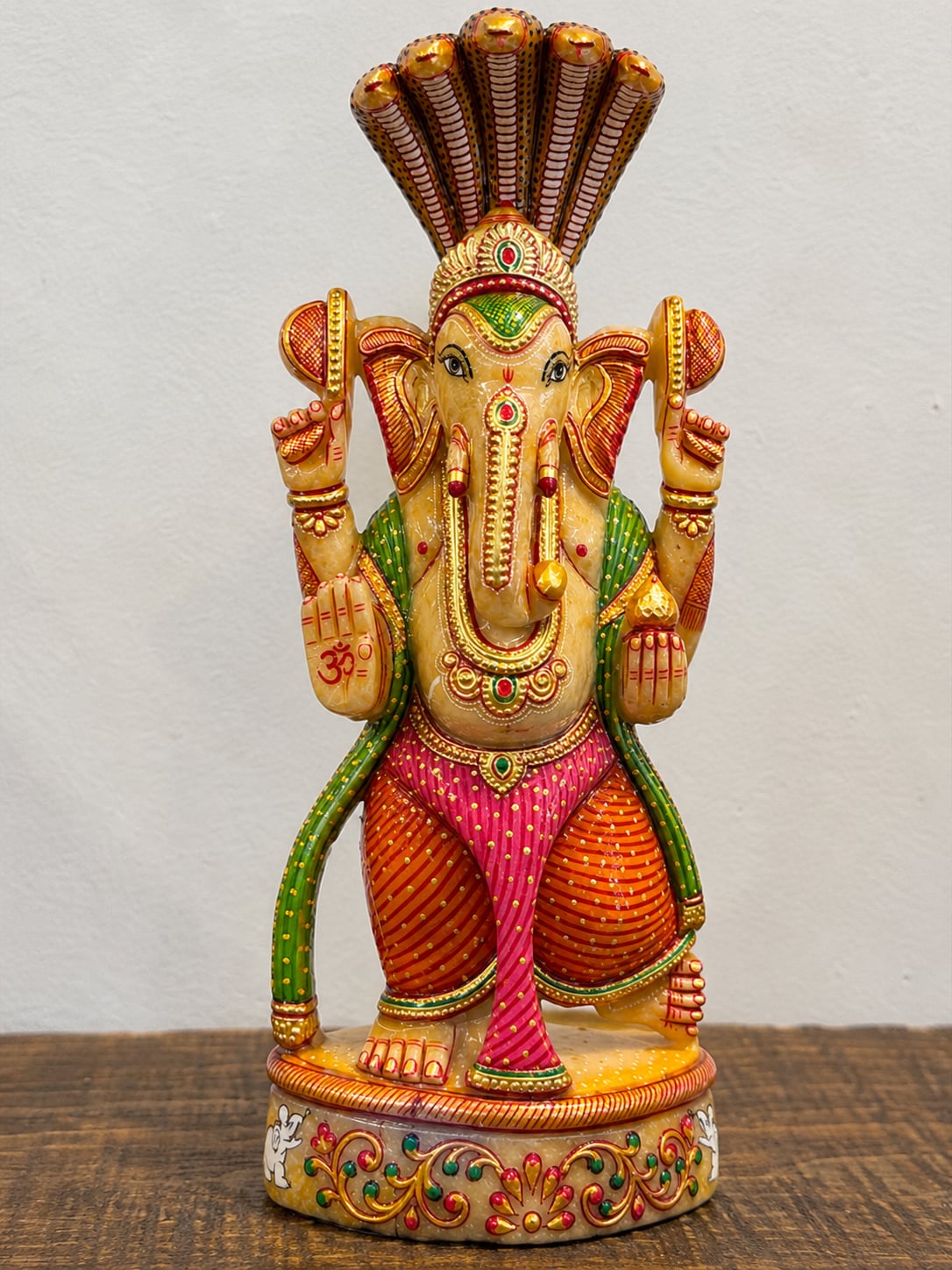
Lord Ganesha, recognized by his elephant head, is among the most widely revered deities in Hinduism.
He is traditionally associated with wisdom, learning, auspicious beginnings, and the removal of obstacles.
Ganesha sculptures are often displayed in homes, businesses, and prayer spaces.
They are especially meaningful as gifts celebrating new homes, business openings, and important life transitions.
Goddess Lakshmi — Abundance & Good Fortune
Goddess Lakshmi is associated with prosperity, abundance, beauty, and well-being.
Her image holds an important place in Hindu traditions, particularly in celebrations and prayers connected with prosperity and blessings for the household.
Buddha — Peace, Compassion & Mindfulness
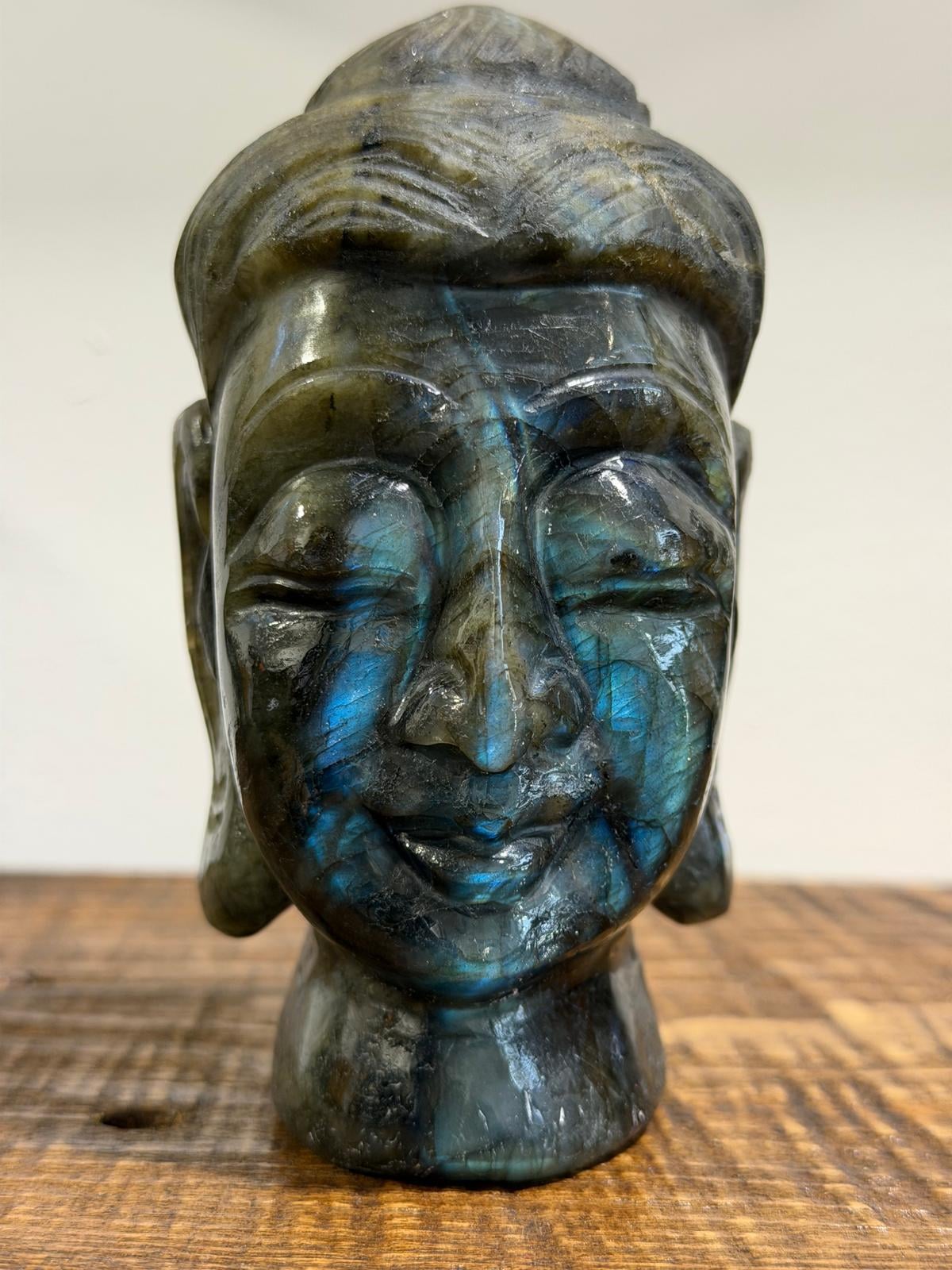
Buddha sculptures are admired for their association with compassion, wisdom, meditation, and inner peace.
They are frequently chosen for meditation areas, quiet rooms, and spaces intended for personal reflection.
Elephants — Strength, Wisdom & Good Fortune
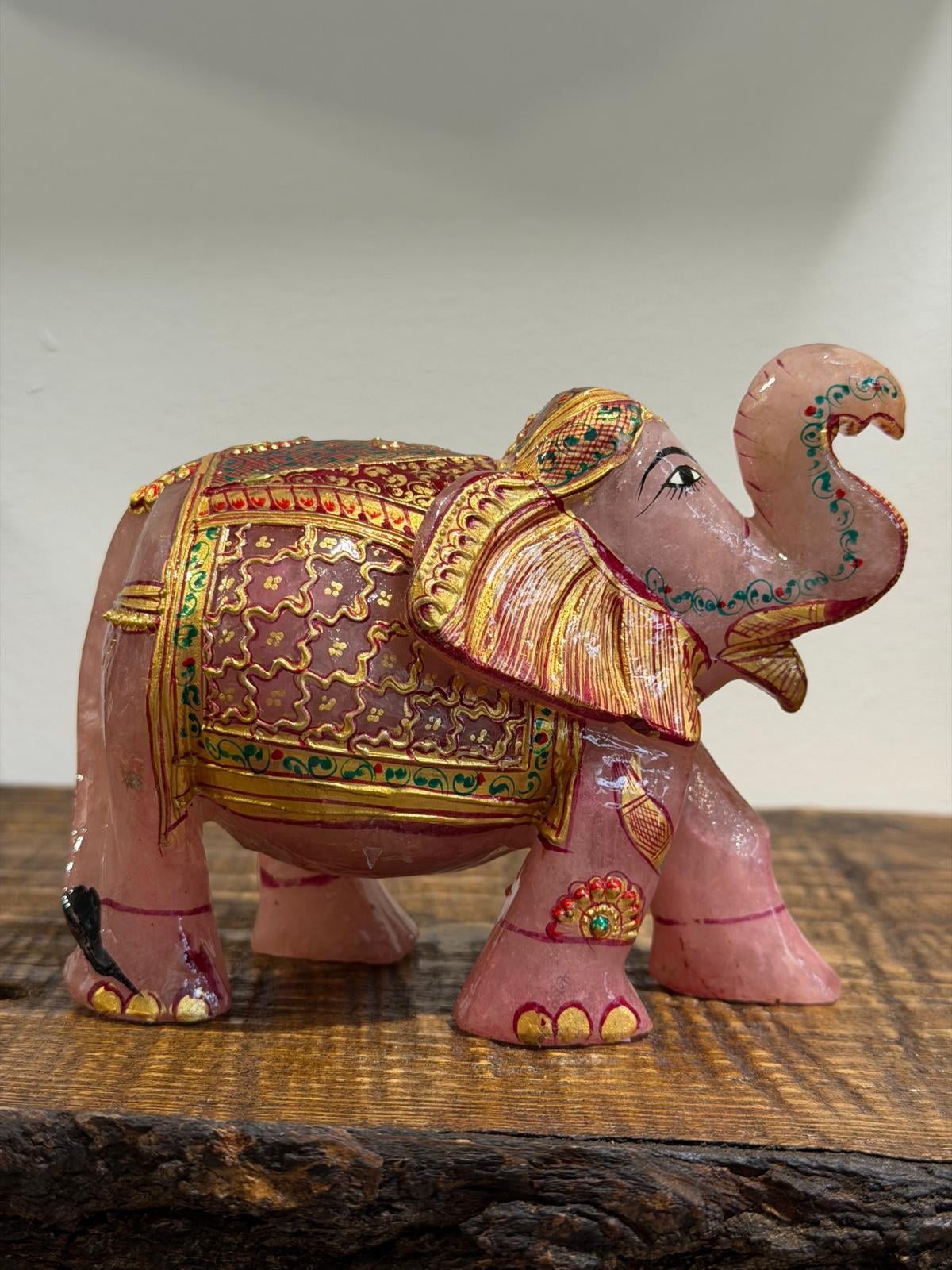
Elephants hold an important place in Indian art and cultural symbolism.
Decorative elephant figures are often associated with strength, dignity, wisdom, and good fortune.
Their graceful forms also make them beautiful decorative pieces for both traditional and contemporary interiors.
Discover the Natural Stones in Our Collection
One of the most fascinating aspects of gemstone sculpture is the diversity of natural materials.
Each stone offers its own colors, patterns, textures, and visual personality.
Many stones also carry symbolic meanings rooted in cultural and spiritual traditions. These associations reflect the meanings people have given to stones across different cultures and generations.
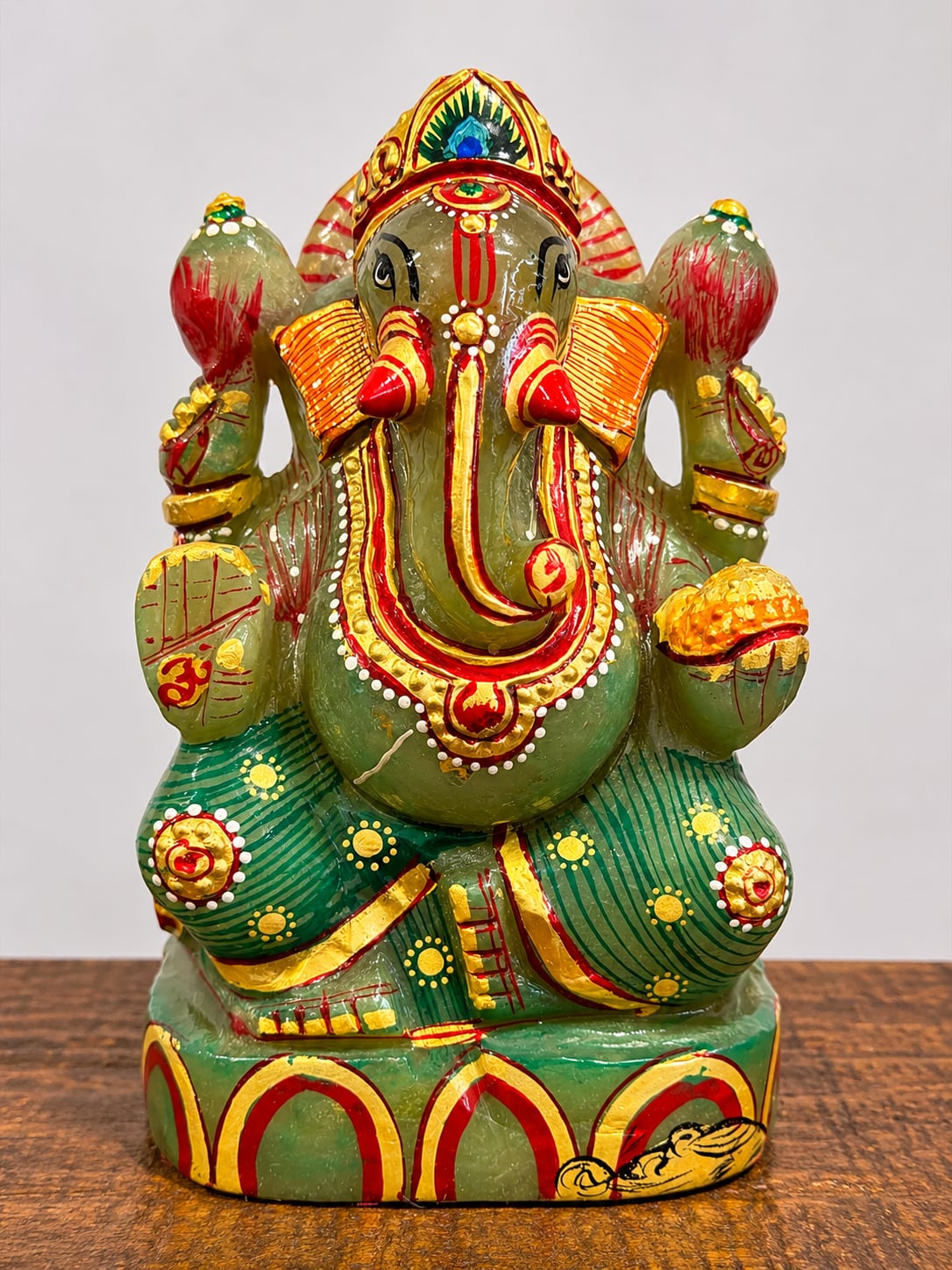
Green Aventurine — Opportunity & Prosperity
Green aventurine is a quartz-based stone admired for its green coloring and, in some specimens, subtle shimmering inclusions.
Traditionally, it is associated with optimism, opportunity, prosperity, and good fortune.
Its natural green tones make it especially appealing for decorative figures and sculptures.
Jade — Harmony & Balance
Jade is celebrated for its smooth appearance, beautiful coloring, and long history in Asian decorative arts.
Traditionally associated with harmony, prosperity, and longevity, jade is admired for both its artistic and cultural significance.
The term jade can refer to jadeite or nephrite, two distinct minerals.
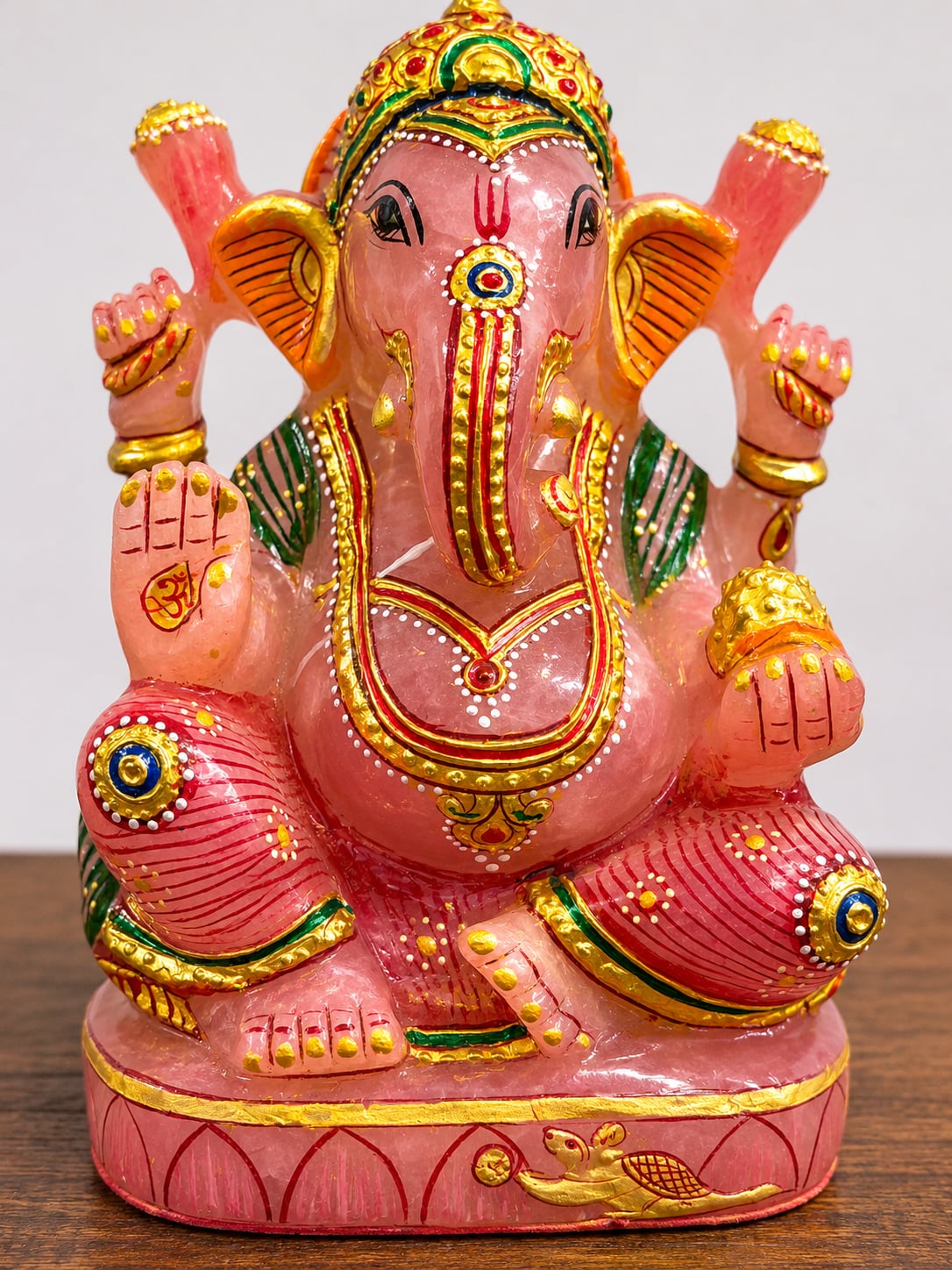
Rose Quartz — Love & Compassion
With its delicate pink tones, rose quartz is often associated with love, kindness, compassion, and emotional harmony.
Its gentle coloring makes it a beautiful choice for decorative pieces intended to convey warmth and affection.
Amethyst — Calm & Spiritual Reflection
Amethyst is a purple variety of quartz admired for its range of violet and lavender shades.
In many spiritual traditions, it is associated with tranquility, contemplation, and clarity.
Its distinctive coloring makes it a striking material for ornamental carvings.
Clear Quartz — Clarity & Intention
Clear quartz is valued for its transparent to translucent appearance.
It is traditionally associated with clarity, focus, and intention-setting.
Its natural appearance can give carved sculptures a luminous, elegant quality.
Lapis Lazuli — Wisdom & Insight
Lapis lazuli is a richly colored blue stone that has been prized for thousands of years in jewelry, sculpture, and decorative art.
Some specimens contain golden-colored pyrite inclusions, creating a striking contrast against the deep blue stone.
Traditionally, lapis lazuli is associated with wisdom, truth, and insight.
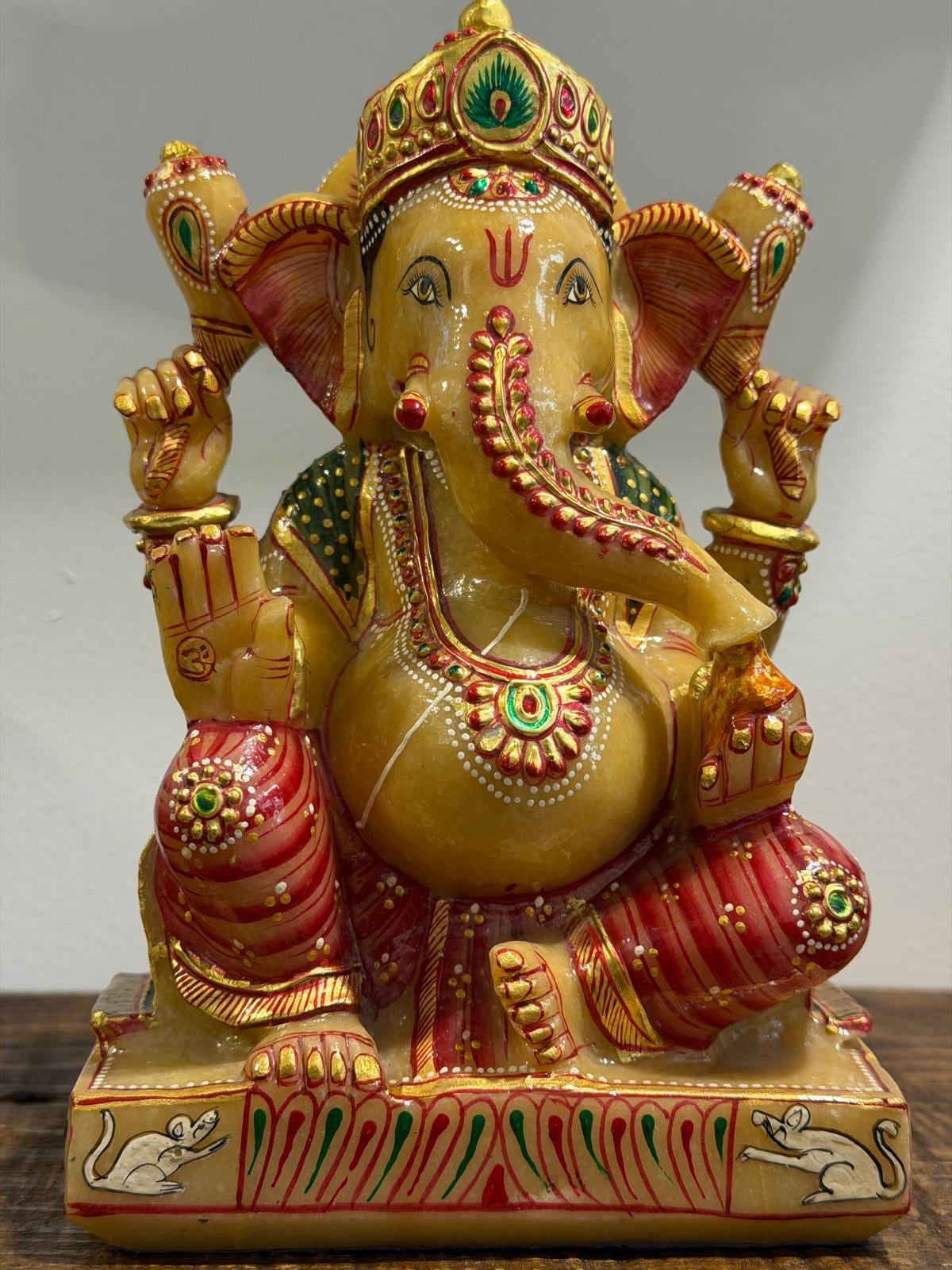
Yellow Stone — Warmth & Optimism
Yellow-colored natural stones are admired for their warm, luminous appearance.
In traditional color symbolism, yellow and golden tones are often associated with joy, optimism, abundance, and vitality.
Yellow Stone is also used as a commercial description for different materials, so the precise mineral composition depends on the individual piece.
Labradorite — Transformation & Intuition
Labradorite is a remarkable feldspar mineral known for its iridescent optical effect, called labradorescence.
Depending on the angle of light, the stone may display flashes of blue, green, gold, and other colors.
In contemporary crystal traditions, labradorite is associated with transformation, intuition, and protection.
Its shifting colors make it particularly captivating in carved sculptures.
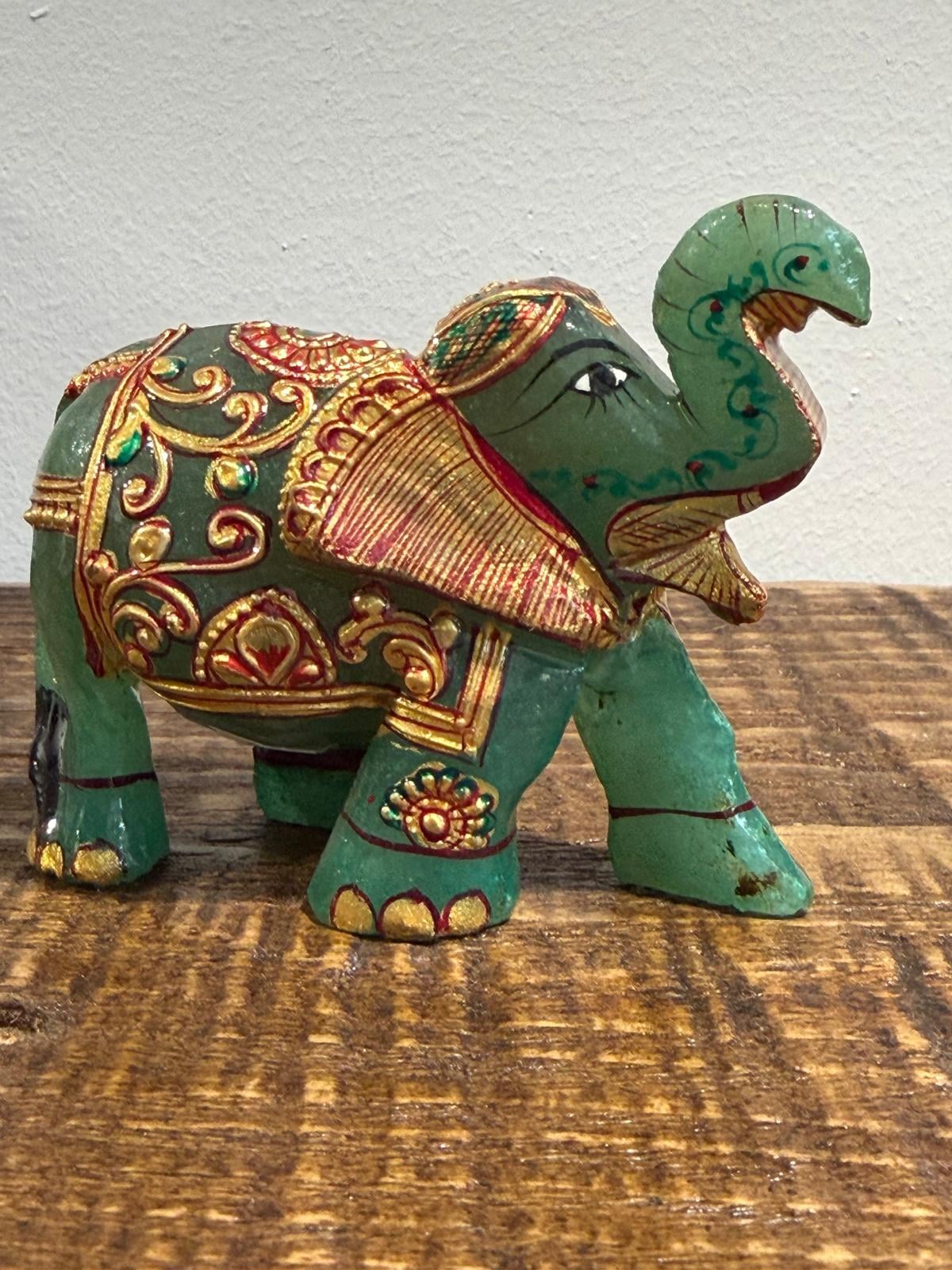
Zeus Stone — Natural Beauty & Timeless Craftsmanship
Zeus Stone is a commercial name associated with decorative stone carvings, particularly elephant figurines crafted in India.
These carved stone figurines may be made from ornamental materials such as dark green jade, jasper, obsidian, or other decorative minerals. Because Zeus Stone is a commercial name rather than a specific mineral classification, the exact stone composition may vary from one sculpture to another.
Each material brings its own distinctive colors, natural patterns, textures, and visual character, contributing to the individuality of the finished sculpture.
In Indian cultural traditions, elephants symbolize wisdom, strength, dignity, and good fortune. These associations make elephant sculptures meaningful decorative pieces for homes, offices, and personal collections.
At Taj Mahal Seattle, we appreciate these sculptures not only for their natural beauty but also for their craftsmanship, individuality, and the personal connection they inspire.
Lapis Golden — Rich Color & Decorative Beauty
Lapis Golden is another commercial name that may describe a stone with blue and golden-colored characteristics.
Some lapis lazuli specimens naturally contain golden pyrite inclusions, but the name alone does not establish the material.
The exact composition should be confirmed before identifying a particular sculpture as lapis lazuli.
Regardless of its commercial name, the beauty of the finished carving can be appreciated through its color, texture, and artistic details.
Why People Choose Gemstone Statues for Their Homes
A gemstone statue offers a combination of natural beauty and meaningful symbolism.
For some people, the appeal is purely artistic. They appreciate the colors, craftsmanship, and visual presence of a carved stone sculpture.
For others, the statue represents something personal.
A Ganesha figure may symbolize a new beginning. A Buddha sculpture may serve as a reminder to practice mindfulness. An elephant may represent strength and good fortune.
These meanings can make a statue feel deeply personal.
Gemstone sculptures also work beautifully in a variety of interior settings, from traditional homes to modern, minimalist spaces.
Gemstone Statues and Vastu Shastra — Creating a Space of Harmony and Positive Energy
In Indian spiritual traditions, a home is more than a physical space. It is a place where our thoughts, intentions, emotions, and daily experiences come together.
Vastu Shastra, the ancient Indian tradition of harmonizing living spaces, emphasizes the relationship between our surroundings and the energy we wish to cultivate in our lives.
Within these traditions, sacred sculptures are thoughtfully placed to invite qualities such as peace, prosperity, wisdom, protection, and spiritual balance.
A statue of Lord Ganesha near an entrance may symbolize the welcoming of new opportunities and the removal of obstacles. A Buddha sculpture in a meditation space can serve as a gentle reminder to embrace mindfulness, compassion, and inner peace.
Traditionally, the northeast direction is considered especially auspicious for prayer, meditation, and spiritual reflection in many Vastu practices.
Yet beyond traditional placement, there is something deeply personal about choosing where a sacred sculpture belongs.
It is not simply about where a statue is placed, but about the intention, respect, and meaning we bring to that space.
Whether displayed in a quiet corner, a welcoming entrance, or a place of daily reflection, a gemstone statue can become a meaningful reminder of the qualities we wish to welcome into our lives.
Sometimes, creating a sacred space begins with something as simple as choosing a piece that speaks to your heart.
Where to Display Your Gemstone Statue
Living Rooms and Entryways
A gemstone statue can become a beautiful focal point on a console table, shelf, or decorative pedestal.
In many Indian traditions, a Ganesha or elephant sculpture near an entrance carries symbolic associations with welcome, wisdom, and auspicious beginnings.
Meditation and Prayer Spaces
Sacred figures can provide a meaningful visual focus for prayer, contemplation, or meditation.
Choose a peaceful and respectful location where you feel comfortable spending time in reflection.
Home Offices and Businesses
Ganesha and other symbolic sculptures are often selected to represent wisdom, new opportunities, and auspicious beginnings.
A thoughtfully chosen statue can serve as a personal reminder of the intentions and values guiding your work.
Bedrooms and Personal Spaces
Smaller stone sculptures can bring natural color and artistic detail to a quiet personal setting.
For sacred religious figures, placement customs may vary. Some households prefer to keep devotional statues in a dedicated prayer area.
Decorative Collections
Different gemstone sculptures can be displayed together to highlight variations in natural color, texture, and carving styles.
For larger or heavier pieces, always use sturdy furniture and a stable display surface.
How to Clean and Care for Gemstone Statues
Proper care is essential for preserving the beauty of natural stone sculptures.
Although gemstone statues can be durable, different minerals respond differently to moisture, sunlight, chemicals, and handling.
1. Dust Regularly With a Soft Cloth
Use a clean, dry microfiber cloth to gently remove dust.
For intricate carvings, use a very soft brush to reach small details without applying pressure.
2. Be Careful With Water
Some polished stones can be wiped with a slightly damp cloth.
However, certain minerals, porous stones, treated materials, and decorative finishes may be sensitive to moisture.
If you do not know the exact material, dry cleaning is the safest general approach.
Never soak a gemstone statue unless its material and finish are known to tolerate water.
3. Avoid Harsh Chemicals
Do not use bleach, ammonia, vinegar, abrasive powders, or strong household cleaning products.
These may damage the polish, natural stone, or decorative finish.
4. Protect Delicate Carved Details
Always handle a sculpture by its solid base or main body.
Avoid lifting it by fragile arms, crowns, decorative ornaments, or other projecting details.
5. Keep Away From Prolonged Direct Sunlight
Some gemstones can fade or change appearance after prolonged exposure to strong sunlight.
Display sculptures in an area with comfortable, indirect lighting whenever possible.
6. Protect Painted and Decorated Surfaces
Some stone sculptures include painted details, metallic accents, or other decorative finishes.
These surfaces may require additional care.
Use a soft, dry cloth and avoid rubbing delicate painted areas.
7. Consider the Stone's Individual Properties
Hardness and durability vary among minerals.
Quartz varieties such as amethyst, rose quartz, and clear quartz are generally harder than some softer decorative stones, but fine carvings can still chip or break.
Lapis lazuli and certain other stones may require more cautious handling and cleaning.
For valuable or unidentified stones, consult a qualified gemstone professional before using any specialized cleaning method.
How to Choose the Right Gemstone Statue
When selecting a gemstone statue, begin with what attracts you to the piece.
Consider its natural color, patterns, carving details, size, weight, and overall design.
You may be drawn to the symbolism of a particular figure or simply appreciate the beauty of the material.
There is no single right choice.
Sometimes, the connection is immediate. A particular statue catches your attention, and you find yourself returning to it.
Perhaps it is the color of the stone, the expression of the sculpture, or a feeling that is difficult to describe.
Trust what speaks to you.
The most meaningful piece is often the one you feel personally connected to.
The Art of Giving — A Gift with Meaning, Intention & Soul
In a world filled with mass-produced gifts and fleeting trends, there is something deeply meaningful about choosing a gift that carries beauty, craftsmanship, and personal intention.
A gemstone statue is more than a decorative object. It can become a lasting expression of love, gratitude, encouragement, or a heartfelt wish for someone's future.
Some gifts are remembered for the occasion. Others become part of someone's story.
A Gift as Unique as the Person Receiving It
One of the most beautiful qualities of natural stone is its individuality.
Variations in color, veining, mineral patterns, and texture give each piece its own character. Combined with the artistry of the sculpture, these details make selecting a gemstone statue a deeply personal experience.
When choosing a gift, we often search for something that reflects the person receiving it.
Perhaps a particular color reminds you of someone you love. Perhaps the expression of a sculpture brings to mind their personality. Or perhaps its traditional symbolism expresses a wish you hold for them.
The beauty of a meaningful gift is that it feels chosen for someone, rather than simply purchased for an occasion.
A Gift for New Beginnings, Love & Prosperity
Different gemstone sculptures can express different intentions.
A Lord Ganesha sculpture, traditionally associated with wisdom and auspicious beginnings, can be a meaningful gift for someone opening a business, moving into a new home, or beginning an important chapter in life.
A rose quartz sculpture, associated with love and compassion, can express affection, gratitude, and appreciation for someone close to your heart.
A green aventurine sculpture, traditionally associated in contemporary crystal practices with prosperity and opportunity, can symbolize encouragement and good wishes for the future.
An elephant sculpture, admired in Indian cultural traditions as a symbol of wisdom, strength, and good fortune, can make a thoughtful gift for someone celebrating a personal or professional milestone.
Each piece offers an opportunity to express something beyond words.
A Gift of Peace, Strength & Spiritual Connection
Not every meaningful gift celebrates an achievement. Sometimes, we give because we want someone to feel supported, appreciated, or remembered.
A Buddha sculpture may symbolize compassion, mindfulness, and inner peace.
An amethyst sculpture can represent a wish for tranquility and spiritual reflection.
A labradorite sculpture, associated with transformation and intuition in contemporary crystal traditions, may be especially meaningful for someone embracing change.
A lapis lazuli sculpture, traditionally connected with wisdom and insight, can express admiration for someone's strength of character and personal journey.
These gifts do not need elaborate explanations. Sometimes, their meaning is found in the simple intention behind them.
A Beautiful Reminder That Can Last for Generations
Natural stone sculptures are appreciated not only for their artistic beauty but also for their potential longevity when properly cared for.
Unlike many gifts that are used and eventually forgotten, a carefully maintained gemstone statue can remain in a home for years and may even become a treasured family keepsake.
Over time, its meaning can grow.
A sculpture given as a wedding present may become a reminder of the couple's beginning. A Ganesha received when opening a business may bring back memories of courage and ambition. A small gemstone figure given by a loved one may become a cherished reminder of that relationship.
Its value is not measured only by the material from which it is made, but by the memories and emotions it carries.
When a Gift Finds the Person It Was Meant For
At Taj Mahal Seattle, every gemstone statue is personally selected by following my instinct.
I believe that each piece has its own character and that somewhere, someone is already waiting for it.
Sometimes, that person may not be the one who purchases the sculpture, but the person who receives it as a gift.
Perhaps you will see a statue and immediately think of someone special.
Perhaps its beauty, expression, color, or symbolism will remind you of a person who is beginning a new journey, celebrating an important moment, or simply deserves to know how much they mean to you.
And in that moment, you may realize that you have found more than a gift. You have found something that was meant for them.
Because the most meaningful gifts are not necessarily the most expensive or elaborate.
They are the ones chosen with intention, given from the heart, and treasured long after the occasion has passed.
Discover Our Personally Selected Collection at Taj Mahal Seattle
At Taj Mahal Seattle, we believe beautiful objects should have a story.
Our gemstone and natural stone sculptures reflect India's rich artistic heritage, the beauty of natural materials, and the care involved in selecting pieces with distinctive character.
Each statue has been personally chosen, guided by instinct and a genuine appreciation for its beauty and individuality.
I believe that somewhere, each of these pieces already has someone waiting for it.
Perhaps that person is you.
Whether you are looking for a meaningful gift, a decorative centerpiece, or a sculpture that reflects a personal intention, we invite you to discover the piece that speaks to you.
Because sometimes, the most beautiful treasures are not simply found. They find their way to us.
Available In-Store at Taj Mahal Seattle — Coming Soon Online!