For centuries, silver has held a special place in Indian culture — admired not only for its luminous beauty, but also for the traditions, blessings, and memories it represents.
In India, a beautiful object is often more than something to admire. It may carry a family's history, express devotion, celebrate a new beginning, or become a treasured gift passed from one generation to another.
Silver has long been woven into these meaningful moments.
From sacred ceremonies and festive celebrations to traditional jewelry and decorative arts, silver continues to connect the richness of India's past with the beauty of everyday life.
Its timeless appeal lies not simply in its value as a precious metal, but in the stories and traditions that surround it.
At Taj Mahal Seattle, we celebrate this remarkable relationship between beauty, heritage, and craftsmanship.
A Precious Metal with Thousands of Years of History
India's relationship with silver stretches back thousands of years.
Across different historical periods, silver has served as currency, been fashioned into jewelry, and been transformed into ceremonial and decorative objects.
In royal courts, beautifully crafted silver pieces reflected artistic refinement and the extraordinary abilities of skilled metalworkers.
In homes and places of worship, silver became associated with devotion, celebration, and family traditions.
Throughout India, regional artisans developed distinctive approaches to ornamentation, metalwork, and jewelry design. Their creations reflected local customs, artistic influences, and the preferences of the communities they served.
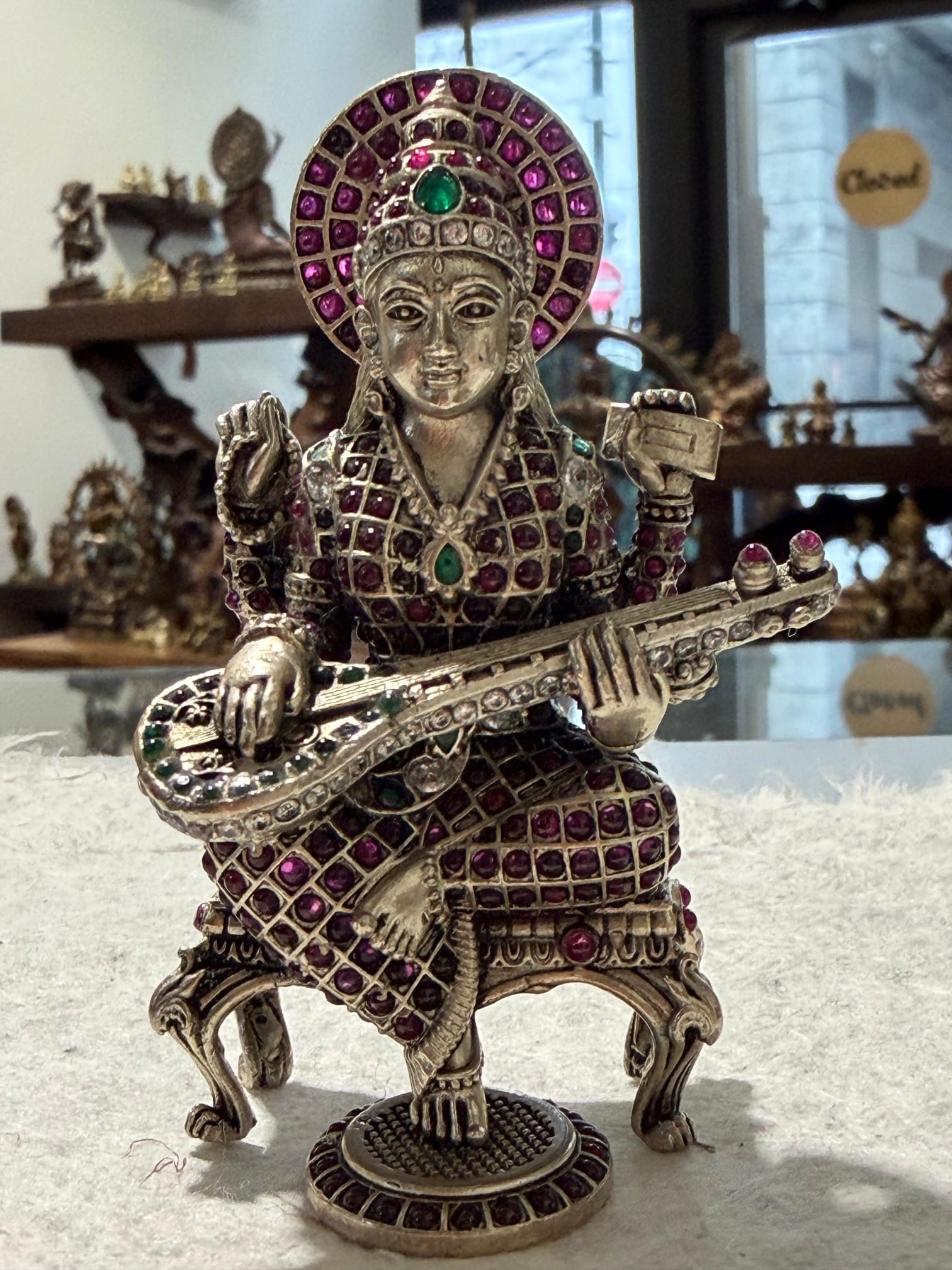
The beauty of this history is that silver has never belonged exclusively to the past.
Even today, it remains a meaningful part of Indian celebrations, personal adornment, and traditional craftsmanship.
A silver object can connect centuries of artistic heritage with the home or personal style of someone living today.
The Spiritual and Cultural Significance of Silver
In many Hindu traditions, silver is considered an auspicious metal.
It is often associated with purity, prosperity, clarity, and positive beginnings.
Silver also has a traditional symbolic connection to the moon, known as Chandra in Hindu thought.
The moon is associated with calmness, reflection, and emotional balance. Through this symbolism, silver has come to represent qualities that extend beyond its physical beauty.
These associations are part of cultural and spiritual traditions, rather than scientifically established properties of silver.
In religious practices, silver may be used for sacred figures, ceremonial vessels, lamps, and objects associated with prayer and offerings.
For many families, these pieces are treasured not only because of their material value but because of the devotion and memories connected to them.
They may be used during important ceremonies, carefully preserved in the home, or passed down through generations.
In this way, silver becomes a link between personal faith, family history, and cultural identity.
Its significance is found not only in what it is made of, but in what it represents.
Silver and the Tradition of Meaningful Gifting
In Indian culture, giving a gift is often an expression of blessings, affection, gratitude, and goodwill.
Silver has long been associated with these sentiments.
A silver gift may celebrate a wedding, welcome a child, mark a new home, or honor an important family occasion.
During weddings, silver may symbolize prosperity and good wishes for the couple's future.
At housewarming celebrations, silver objects may be given as expressions of abundance and positive beginnings.
During family milestones, silver jewelry and decorative pieces can become keepsakes that preserve the memory of a special moment.
Unlike many gifts that are enjoyed briefly and forgotten, a carefully chosen silver piece can remain meaningful for decades.
It may eventually become part of a family's own story.
A gift chosen by one generation can be treasured by the next, carrying with it the memory of the person who gave it.
This emotional connection is one of the reasons silver continues to hold such a cherished place in Indian traditions.
Silver During India's Festivals and Celebrations
India's festivals are rich with symbolism, color, light, and family traditions.
Silver plays an important role in many of these celebrations.
During Diwali, the Festival of Lights, silver is often associated with prosperity, blessings, and auspicious beginnings.
Dhanteras, celebrated during the Diwali season, is traditionally considered a favorable occasion for purchasing precious metals, including silver.
Akshaya Tritiya is another occasion when many families choose to acquire precious metals as a symbol of prosperity and good fortune.
Silver may also appear in wedding ceremonies, religious celebrations, and other meaningful gatherings.
Traditions vary widely across India's many regions, religions, and communities, but the underlying sentiment is often similar.
Silver represents something lasting.
It can express hope for the future while honoring customs inherited from the past.
These traditions help explain why silver continues to be appreciated across generations, even as modern lifestyles and personal tastes evolve.
The Beauty of Silver and Natural Gemstones
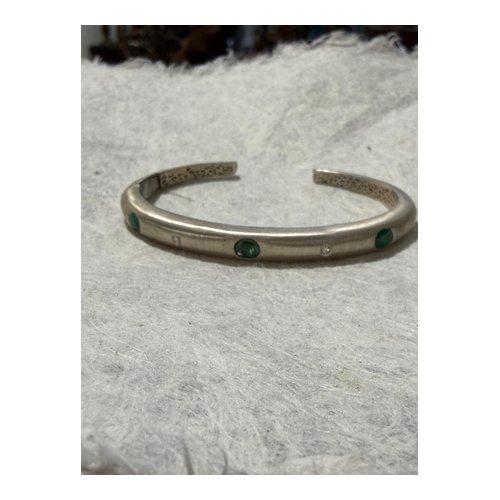
One of the most captivating expressions of Indian decorative artistry is the combination of silver and natural gemstones.
Silver has a distinctive luminosity that beautifully complements the richness of colored stones.
The contrast between the metal's reflective surface and the depth of natural gemstone colors creates designs filled with character and visual interest.
Across India's artistic traditions, gemstones have been admired for their beauty, color, and, in some cases, their symbolic associations.
Artisans have incorporated stones into jewelry and decorative objects to enhance intricate patterns, emphasize sculptural details, and create striking compositions.
The result can be both delicate and dramatic.
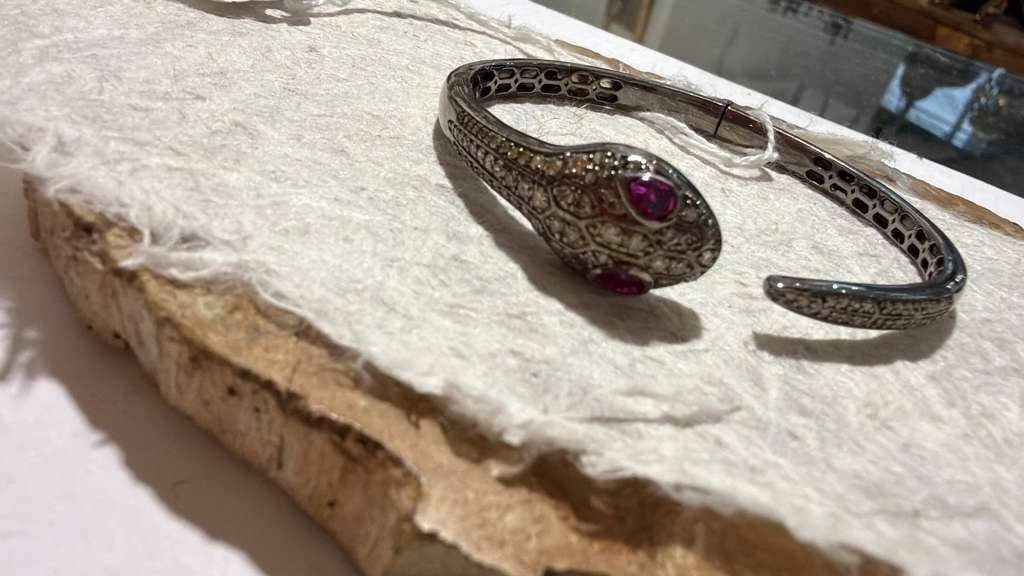
Rich greens, deep purple-red tones, and the natural brilliance of silver come together to create pieces that invite a closer look.
Every curve, ornamental detail, and gemstone setting contributes to the overall artistry.
What makes this combination so beautiful is the relationship between the materials.
Silver brings elegance and luminosity.
Natural gemstones introduce color, depth, and individuality.
Together, they create an expression of Indian craftsmanship that feels both traditional and timeless.
The Art of Indian Silver Craftsmanship
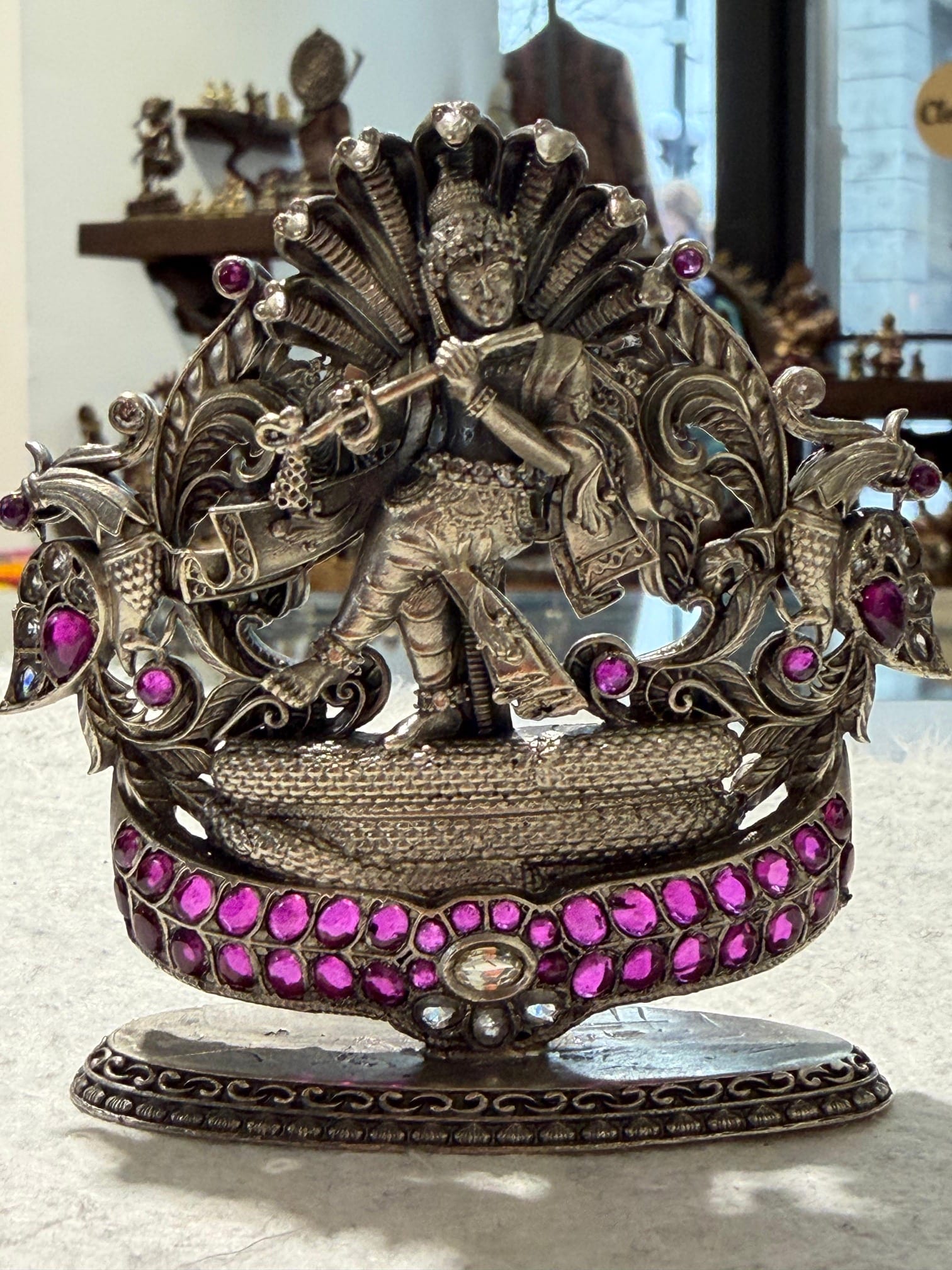
Behind every beautifully crafted silver object is a tradition of artistic knowledge.
For generations, Indian artisans have transformed precious metals into objects of remarkable beauty.
Their work reflects patience, experience, artistic imagination, and a deep understanding of decorative form.
Some silver designs are admired for their simplicity and graceful proportions.
Others are richly ornamented, featuring elaborate patterns, textured surfaces, symbolic motifs, and carefully arranged gemstones.
The beauty often lies in the smallest details.
A sculptural curve, a finely worked surface, or the balance of an intricate design can reveal the character of the artisan's work.
Traditional craftsmanship also represents something that cannot be measured only by the finished object's appearance.
It preserves knowledge.
Techniques, design traditions, and artistic sensibilities can be shared within families and communities, allowing a craft to develop while maintaining its connection to the past.
In a world where so many objects are mass-produced, the continuation of traditional artisan skills has special meaning.
It reminds us that beauty can also be an expression of human experience, cultural identity, and generations of dedication.
Rajasthan: A Rich Heritage of Art and Ornamentation
Rajasthan is celebrated for its extraordinary artistic heritage.
Its historic cities, palaces, architecture, textiles, jewelry, and decorative arts reflect centuries of cultural influences and creative traditions.
Throughout the region, craftsmanship has long been an important part of local identity.
Jodhpur, often called the Blue City, is especially admired for its distinctive architecture, vibrant cultural atmosphere, and traditional arts.
The city and surrounding region have connections to a wide range of crafts, including jewelry, textiles, and decorative metalwork.
These artistic traditions reflect a culture in which ornamentation is more than decoration.
Patterns, forms, materials, and symbols often communicate a sense of history and belonging.
The artistic heritage of Rajasthan continues to inspire an appreciation for objects that combine beauty with cultural meaning.
And when craftsmanship is passed from one generation to the next, that heritage remains alive.
Silver Jewelry: A Timeless Expression of Personal Style
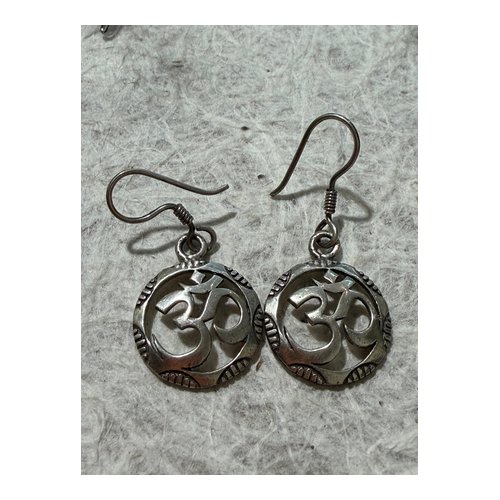
Silver jewelry has been an important part of Indian adornment for centuries.
Across the country, different regions have developed distinctive styles, reflecting local traditions, cultural influences, and artistic preferences.
Earrings, bracelets, rings, necklaces, and other ornaments have long served as expressions of personal identity, celebration, and beauty.
Some designs feature traditional symbols.
Others draw inspiration from nature, animals, floral patterns, and decorative geometry.
What makes silver jewelry especially appealing is its versatility.
It can be understated and elegant, or bold and expressive.
It can complement a contemporary wardrobe while retaining a connection to traditional artistic influences.
A beautiful piece of jewelry may be chosen simply because its design speaks to us.
It may also carry a deeper meaning — a personal memory, a cultural connection, or a symbol we hold close.
Silver allows these different expressions to exist together.
It is both a precious material and a beautiful way to express individuality.
Silver in the Home: Beauty, Heritage & Meaning
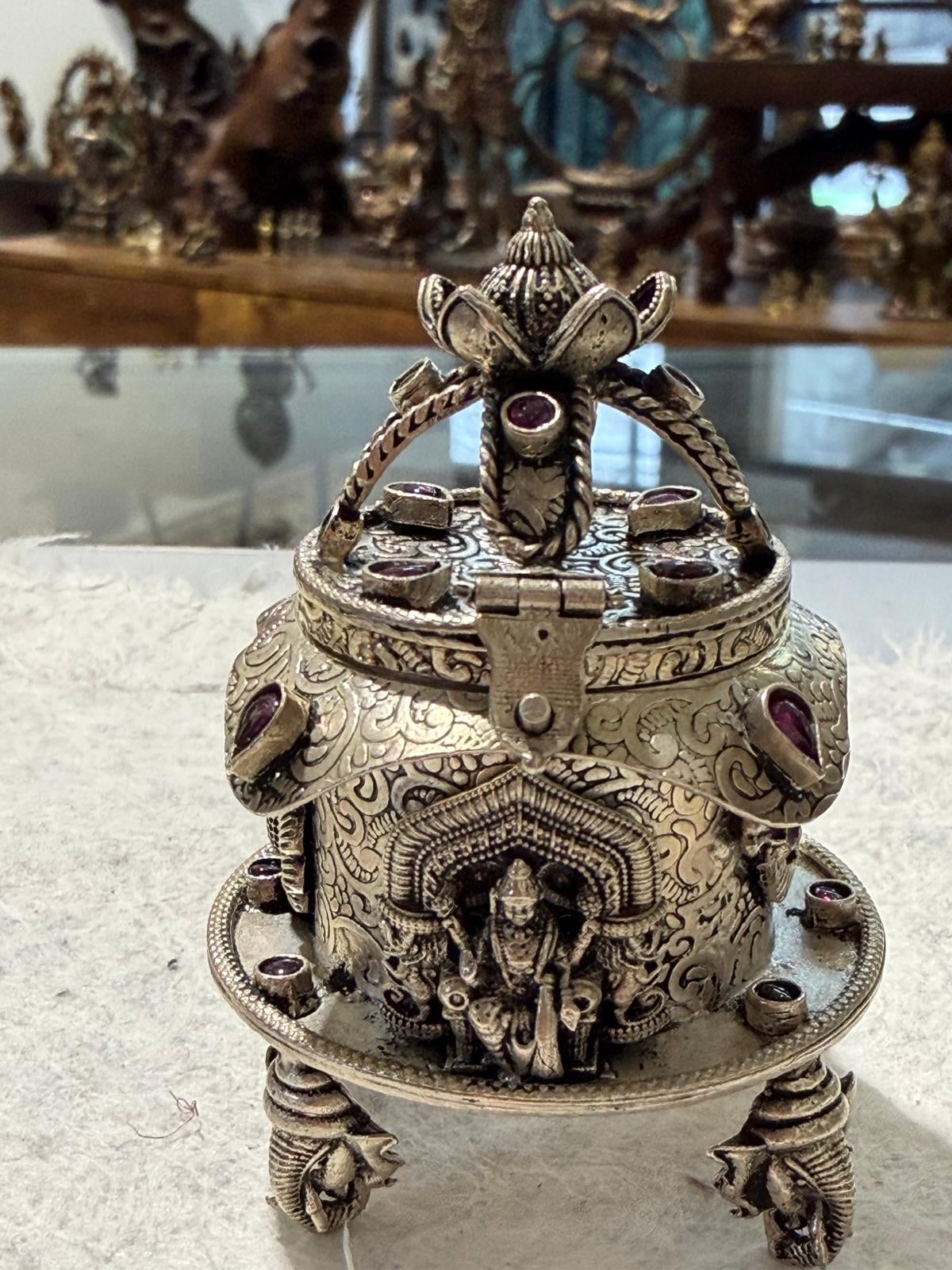
Silver has long been appreciated beyond the world of jewelry.
In Indian homes, silver objects may hold religious, ceremonial, decorative, or sentimental significance.
Some are associated with family worship and sacred traditions.
Others are cherished as decorative works of art or as gifts commemorating important occasions.
Beautifully crafted silver objects can also bring a sense of history and artistry into contemporary interiors.
The luminous surface of silver complements natural materials such as wood, stone, and textiles.
Intricate ornamentation adds character and visual depth, while sculptural forms can become meaningful focal points within a home.
For some people, these objects express devotion.
For others, they celebrate an appreciation of Indian art, cultural heritage, and traditional craftsmanship.
The significance of each piece may be deeply personal.
What remains constant is silver's ability to connect beauty with meaning.
Understanding Silver: Fine Silver, Sterling Silver & Silver-Plated Objects
When choosing silver jewelry or decorative pieces, understanding the material is important.
Not every object with a silver-colored appearance has the same composition.
Fine Silver — 999
Fine silver contains approximately 99.9% silver. Because it is relatively soft, it is often used in certain decorative objects, bullion, and other applications where high silver content is desired.
Sterling Silver — 925
Sterling silver contains 92.5% silver, with other metals added to improve its durability. It is widely used in jewelry and decorative arts.
Silver-Plated Objects
Silver-plated objects have a layer of silver applied over another base material. Although they may resemble solid silver, their composition is different.
German Silver
Despite its name, German silver does not contain actual silver. It is generally an alloy made from copper, nickel, and zinc.
Understanding these differences helps customers appreciate the materials and craftsmanship behind the pieces they choose.
When purchasing silver, it is always worthwhile to learn about the composition and care requirements of the individual item.
Caring for Silver and Natural Gemstones
Silver is a precious metal that can remain beautiful for many years with appropriate care.
Over time, silver may naturally develop tarnish through exposure to compounds in the surrounding environment.
This is a normal characteristic of silver and does not necessarily indicate poor quality.
To help preserve silver jewelry and decorative objects, store them in a clean, dry place when not in use.
Avoid exposure to harsh cleaning products, abrasive materials, and unnecessary moisture.
For pieces containing natural gemstones, additional care is important.
Different stones may respond differently to heat, water, chemicals, and cleaning methods.
Intricate decorative details and gemstone settings should also be handled gently.
When in doubt, consult a qualified jeweler or specialist before cleaning a valuable or delicate piece.
With thoughtful care, silver objects and jewelry can continue to be enjoyed and appreciated for generations.
A Tradition That Continues Across Generations
Perhaps the most beautiful quality of silver is its ability to connect people across time.
A piece created today may reflect artistic traditions developed centuries ago.
A gift exchanged during a celebration may become a treasured family memory.
A beautifully crafted object may bring a sense of cultural heritage into a home thousands of miles from where it originated.
Silver reminds us that meaningful beauty does not have to be temporary.
It can be preserved, shared, and rediscovered.
And when the artistry behind a piece is carried forward through generations, the object becomes part of a much larger story.
A story of tradition, craftsmanship, culture, and the enduring human desire to create something beautiful.
Discover Our Silver Collection at Taj Mahal Seattle
Three Generations of Craftsmanship from Jodhpur, India
At Taj Mahal Seattle, we believe that beautiful objects become even more meaningful when we know the stories behind them.
We are proud to introduce our Silver Collection: Statues & Jewelry, sourced from a family of artisans in Jodhpur, Rajasthan, India, whose craftsmanship has been passed down through three generations.
For this family, working with silver is a tradition that connects generations through artistic knowledge, intricate designs, and a shared appreciation for India's rich cultural heritage.
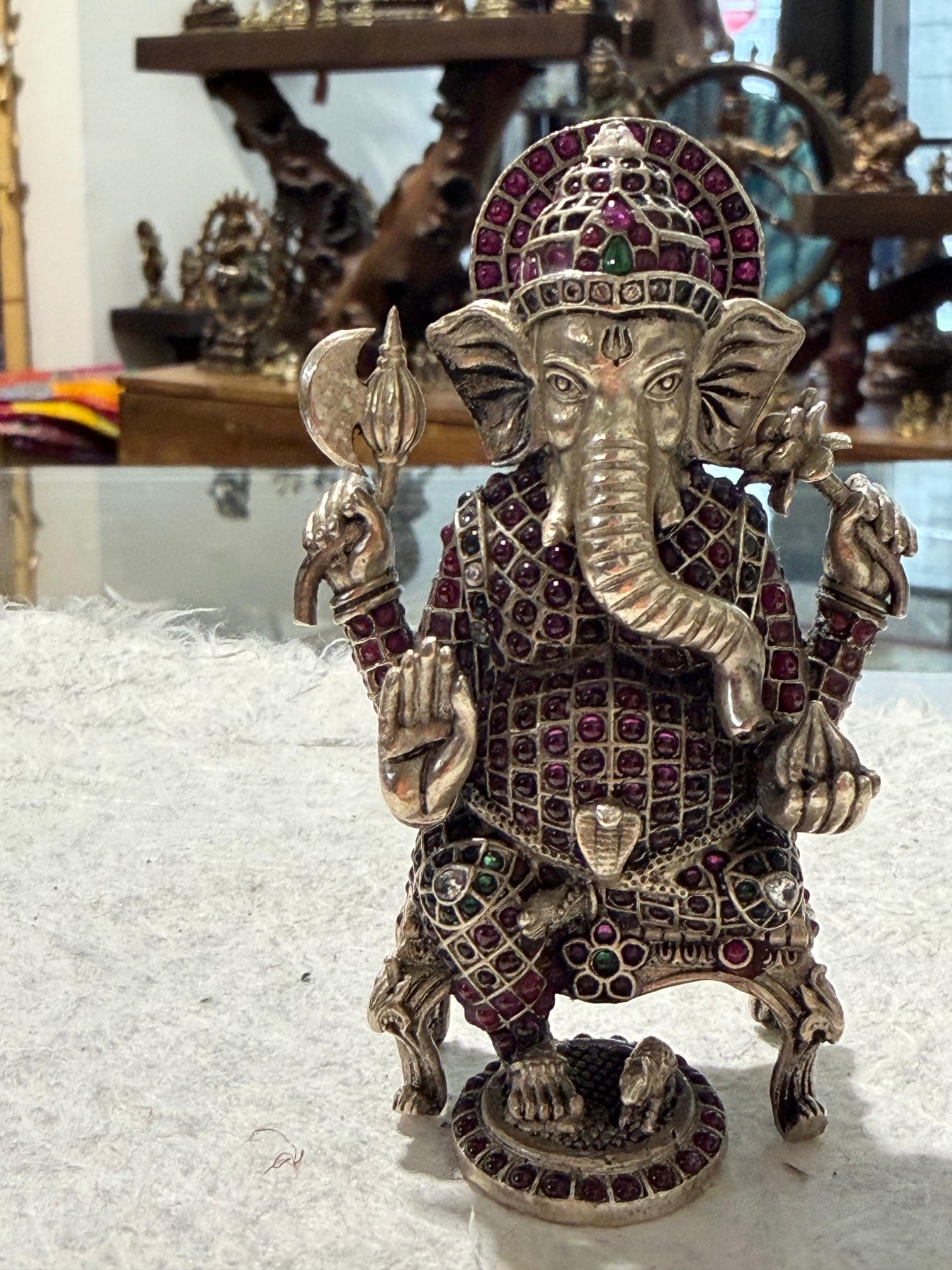
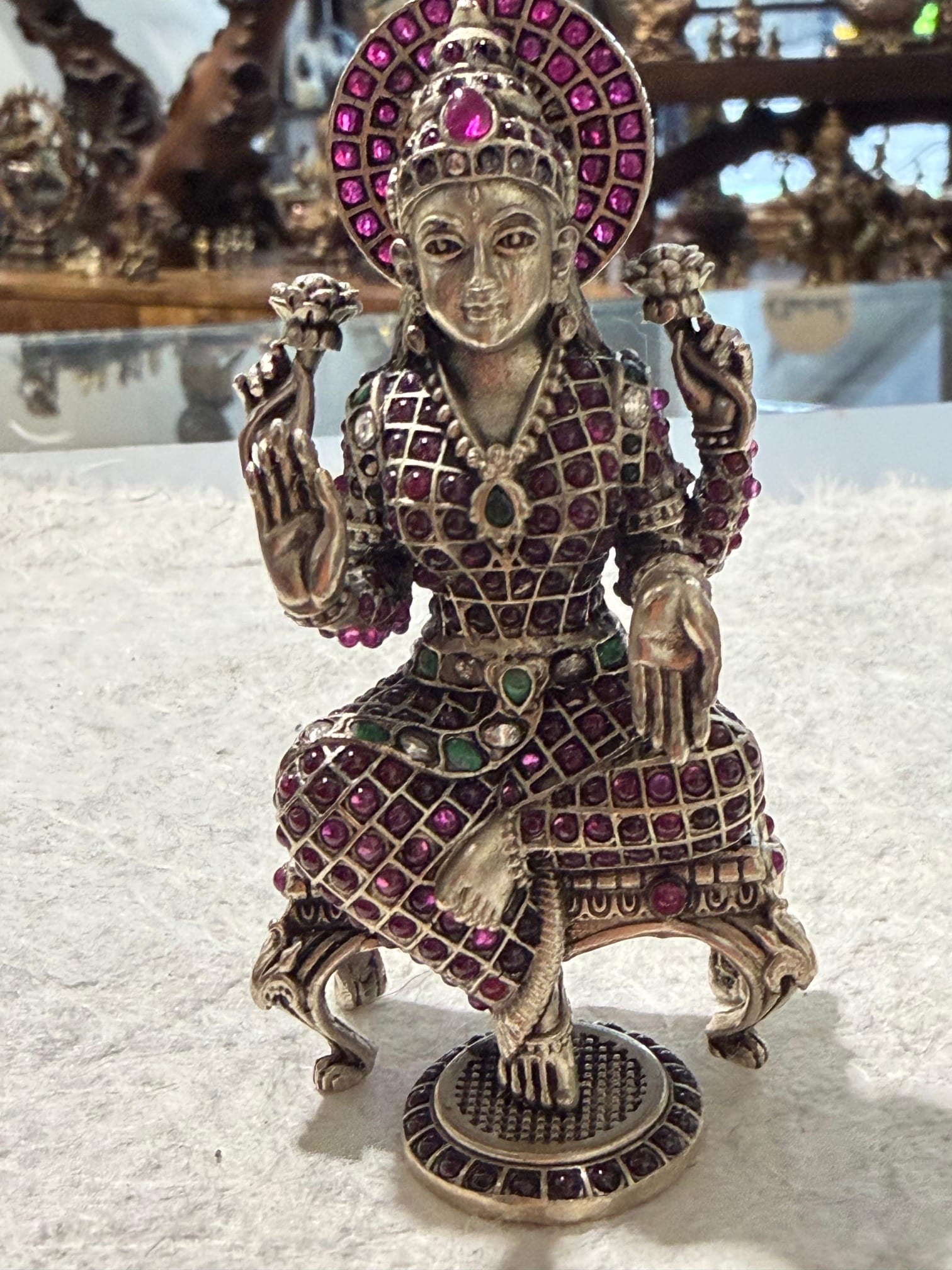
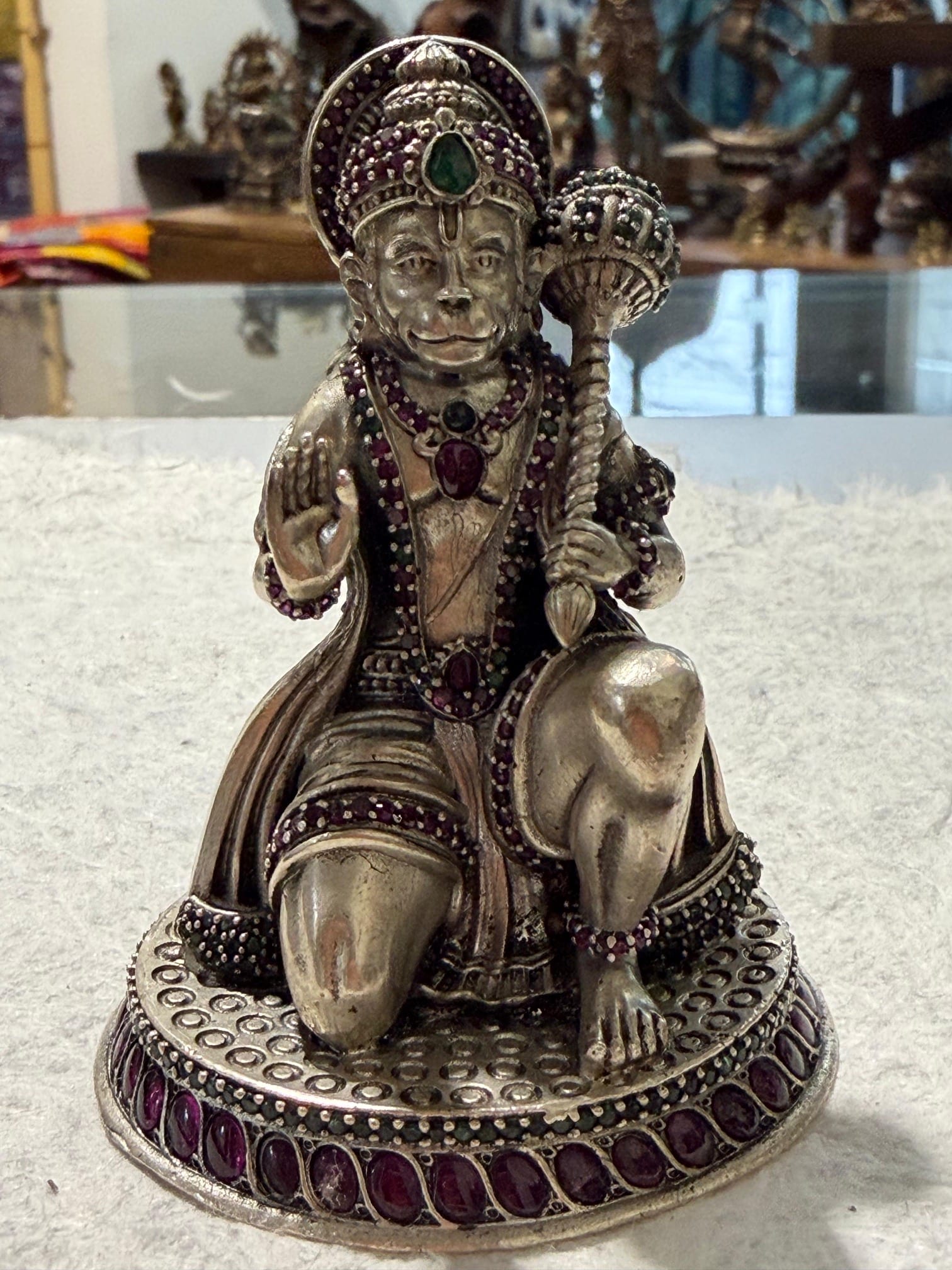
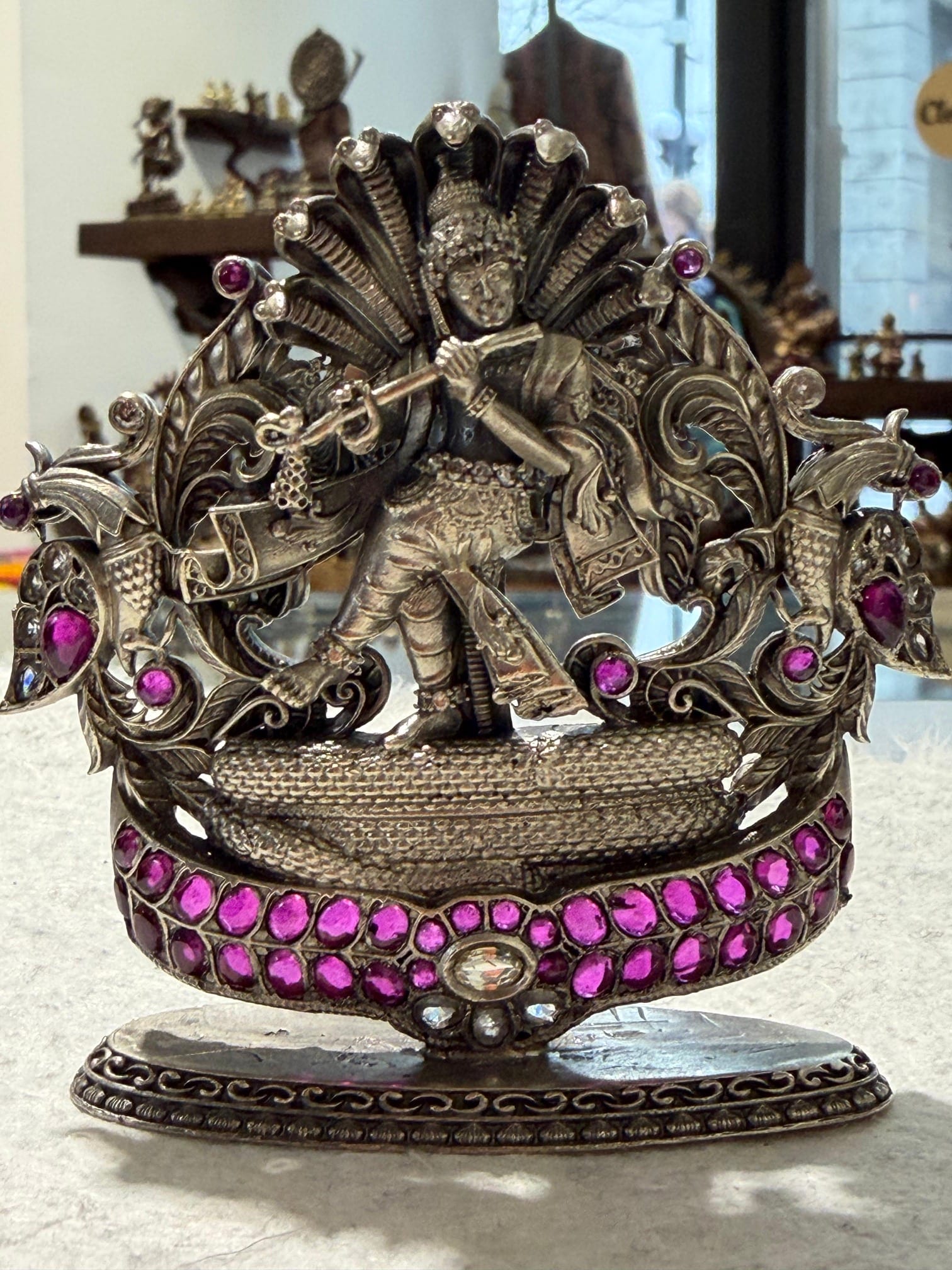
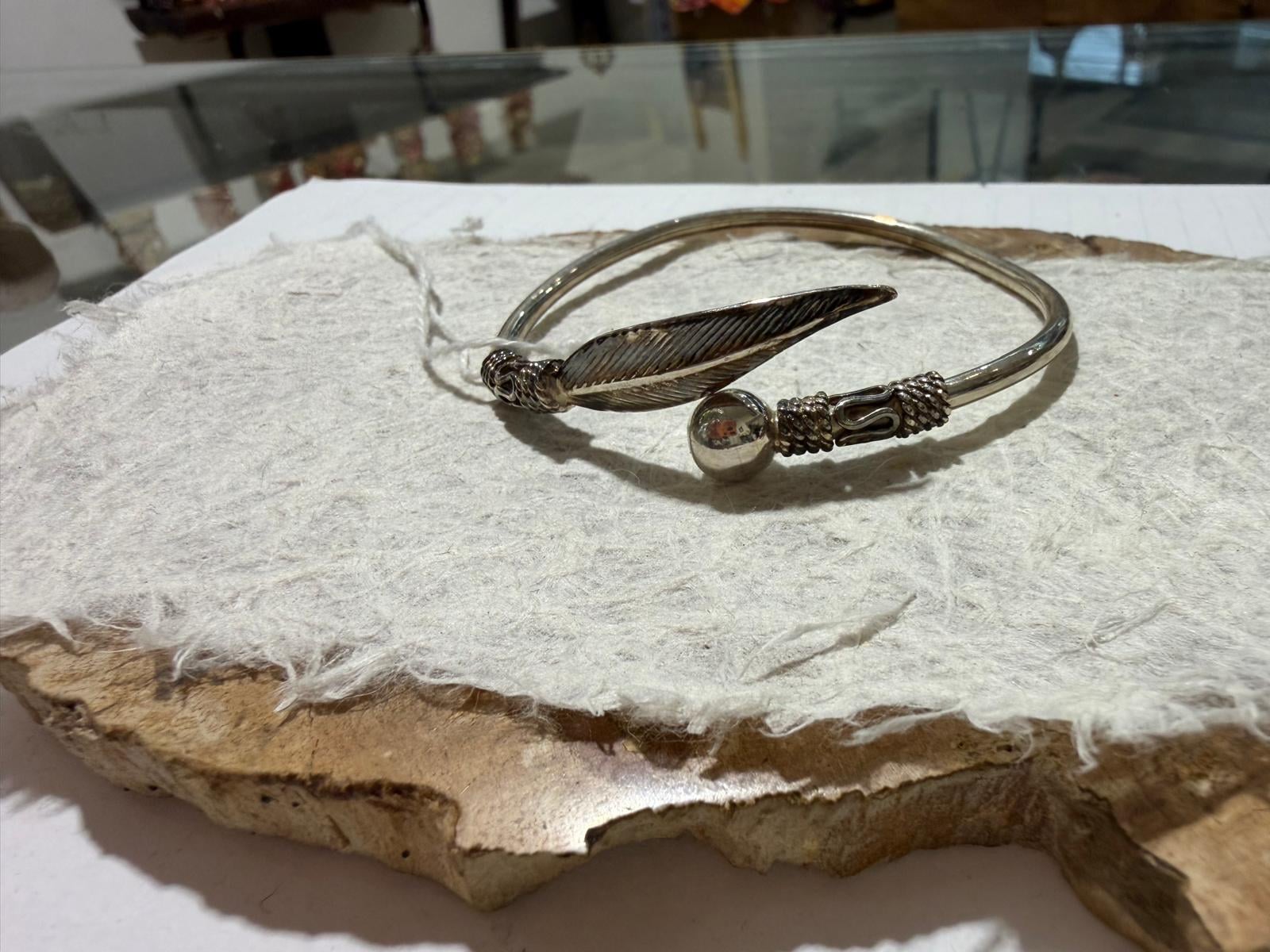
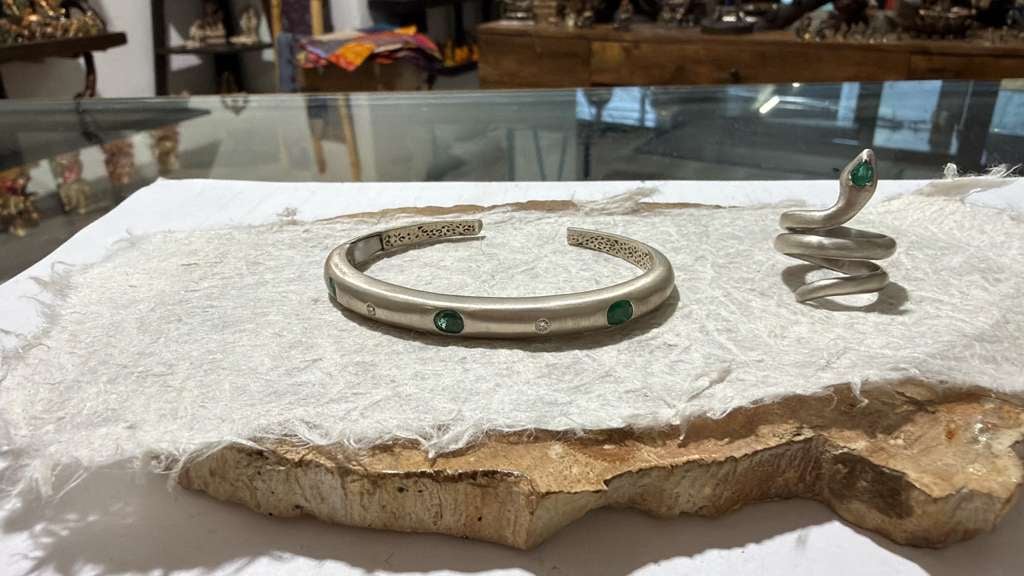
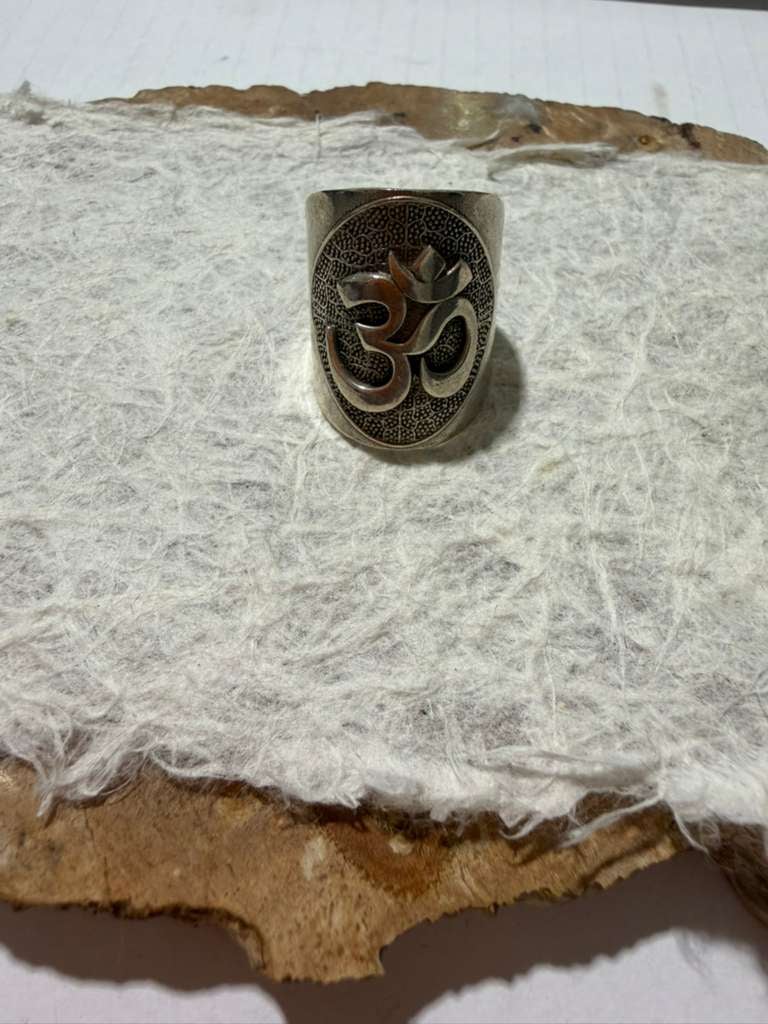
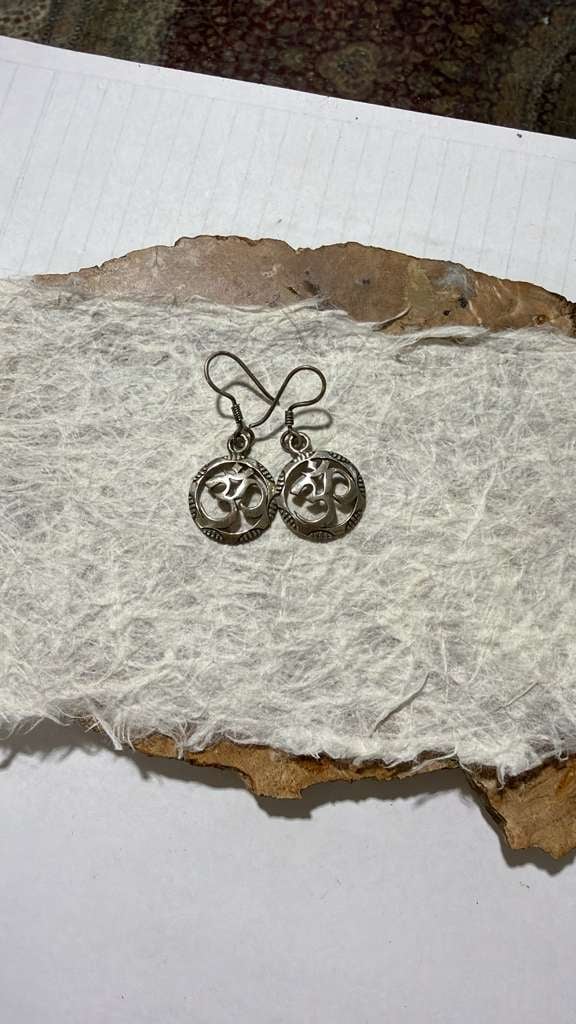
Our collection brings together Sterling Silver 925 statues and jewelry — 92.5% silver — including earrings, bracelets, and rings. Selected pieces are adorned with genuine natural gemstones, adding beautiful color and character to the silver.
What makes this collection especially meaningful to us is not only the beauty of the pieces, but the family legacy and Indian artistic heritage behind them.
From Jodhpur to Seattle, these creations bring together tradition, artistry, and timeless elegance.
We invite you to explore the collection and discover something that speaks to you — whether it is a meaningful gift, a treasured addition to your home, or a beautiful piece of jewelry.
Experience the beauty of Indian silver and the legacy of three generations of craftsmanship.
From Our Silver Collection
A glimpse of handcrafted silver statues and jewelry from our collection — Sterling Silver 925 pieces from Jodhpur, many adorned with genuine natural gemstones.
Explore the Collection
From the artisan traditions of Jodhpur, India, to Taj Mahal Seattle.